CHEMICAL REDUCTION

Reduce Chemical Residuals With Ozone Oxidation

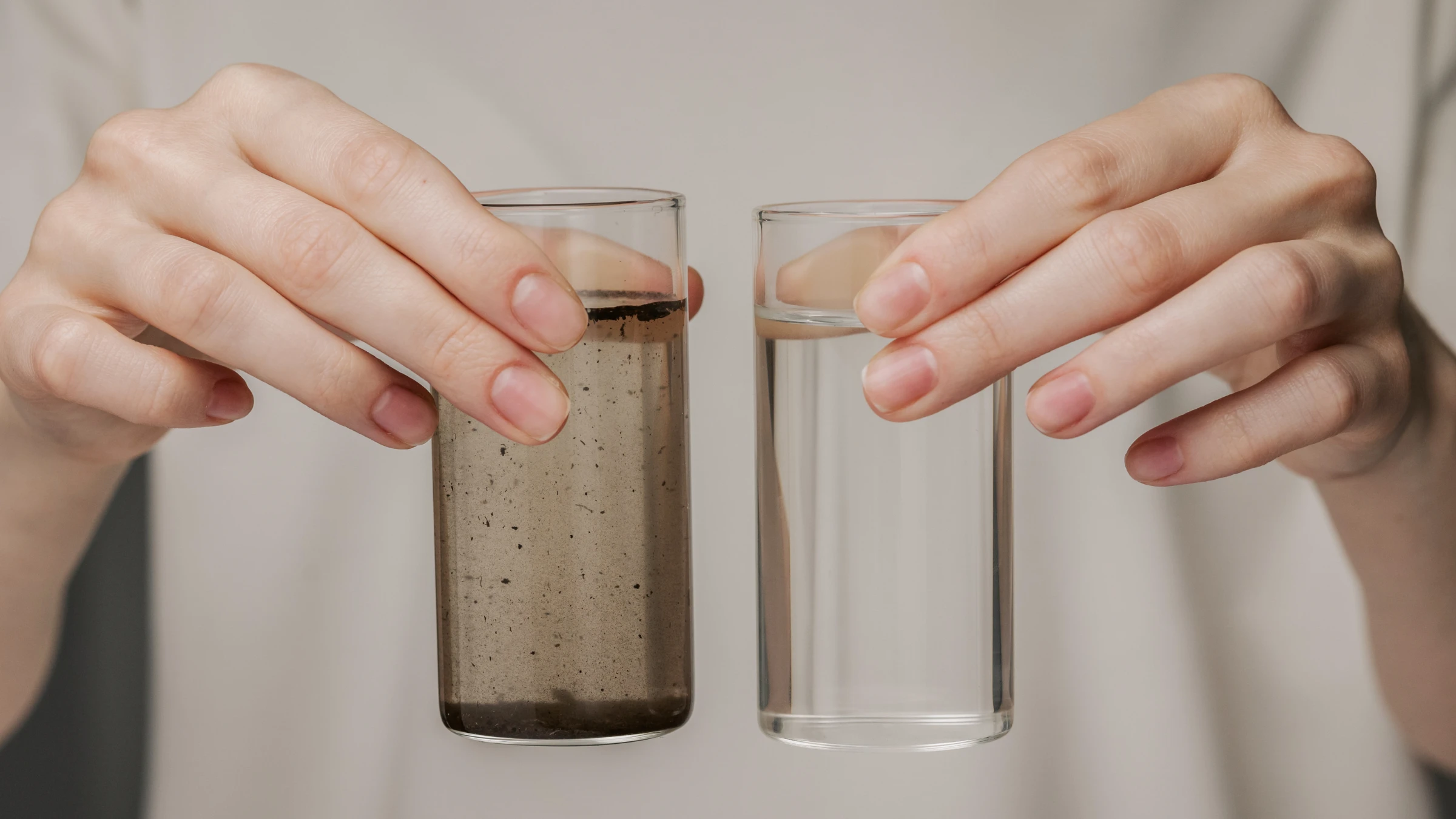
Certain dissolved chemicals can interfere with water quality and downstream processes. Ozone can react with targeted compounds, helping transform them into forms that can be managed through subsequent treatment.

WHY GUARDIAN OZONE

Engineered Around the Chemistry

Chemical reduction requires understanding what is present in the water, at what concentration, and how the compounds behave during treatment. Guardian considers these factors when developing the ozone treatment approach.

Water Chemistry Analysis

Treatment requirements are evaluated against the characteristics of the incoming water.

Targeted Oxidation

Ozone application can be designed around specific compounds and treatment objectives.

Controlled Treatment

Ozone generation and delivery can be matched to process requirements.

Process integration

The ozone system can be incorporated alongside existing treatment and separation processes.

WHAT OZONE CAN ADDRESS

Target Compounds Before They Reach Downstream Processes

Ozone can react with selected dissolved compounds, changing their chemical characteristics and supporting their removal or further treatment.
  • Oxidation of targeted dissolved compounds

  • Reduction of specific chemical constituents

  • Improvement of downstream treatment conditions

  • Support for overall water quality objectives

recommended system

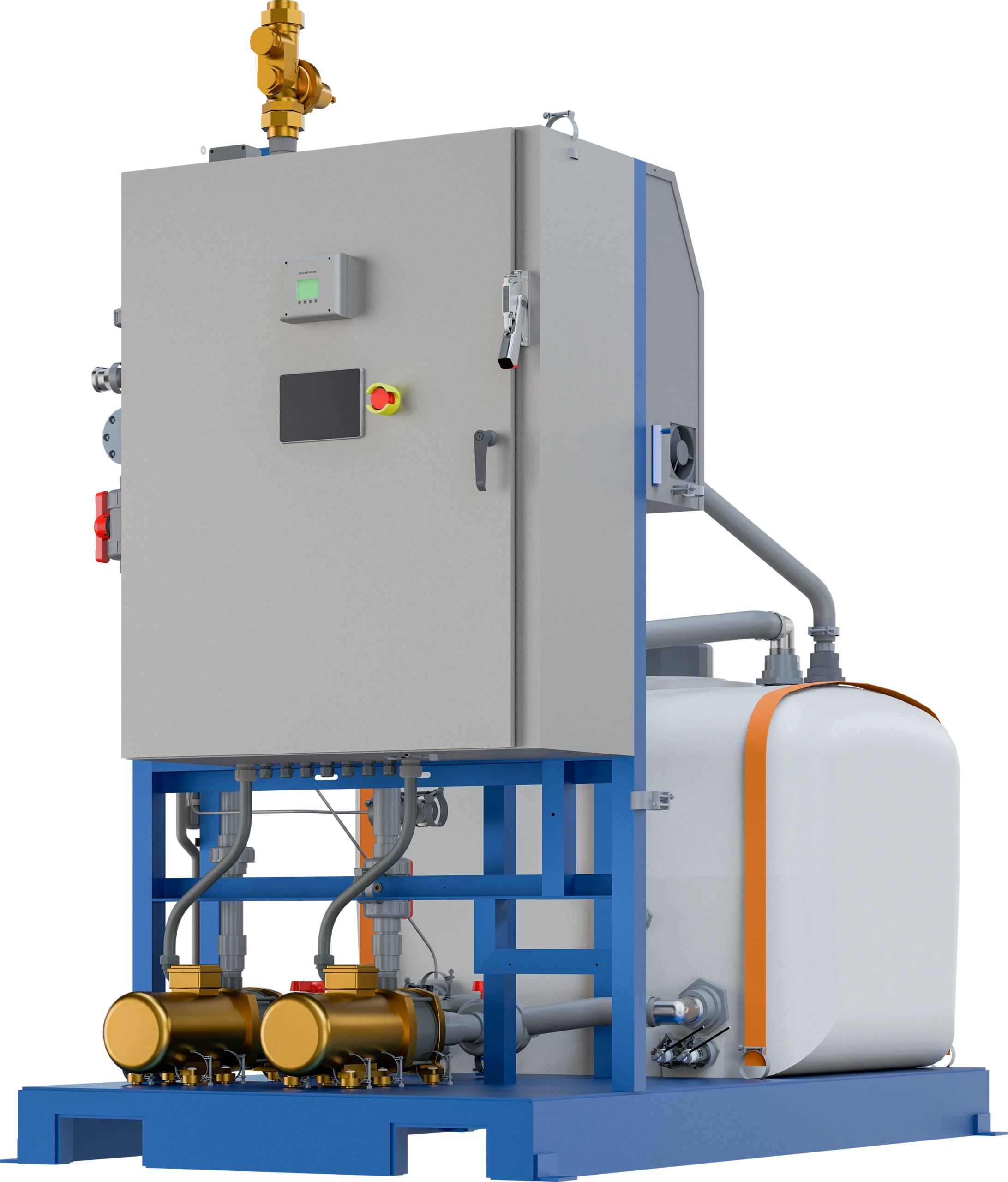
ATS Series

ATS is recommended when targeted compounds are present in water because its architecture is built around aqueous ozone transfer, contact, monitoring, and control.

blogs and success stories

Discover technical insights & real-world projects

Review technical resources and project experience covering oxidation, water chemistry, ozone treatment, and process integration.

EXPLORE MORE APPLICATIONS

Where Else Can Ozone Be Applied?

Ozone can support a wide range of water, wastewater, and industrial treatment processes. Explore other applications where Guardian Ozone technology can be applied.